Use Voice Data.
Use Voice Data.
Not the identity inside it.
Anonymize voice at capture — so it can be used, shared, and scaled without exposing biometric identity.

Your Voice Data
An insight goldmine or a vulnerable liability?
Let’s get real !
→ Storage→ Transfer→ Processing→ Sharing
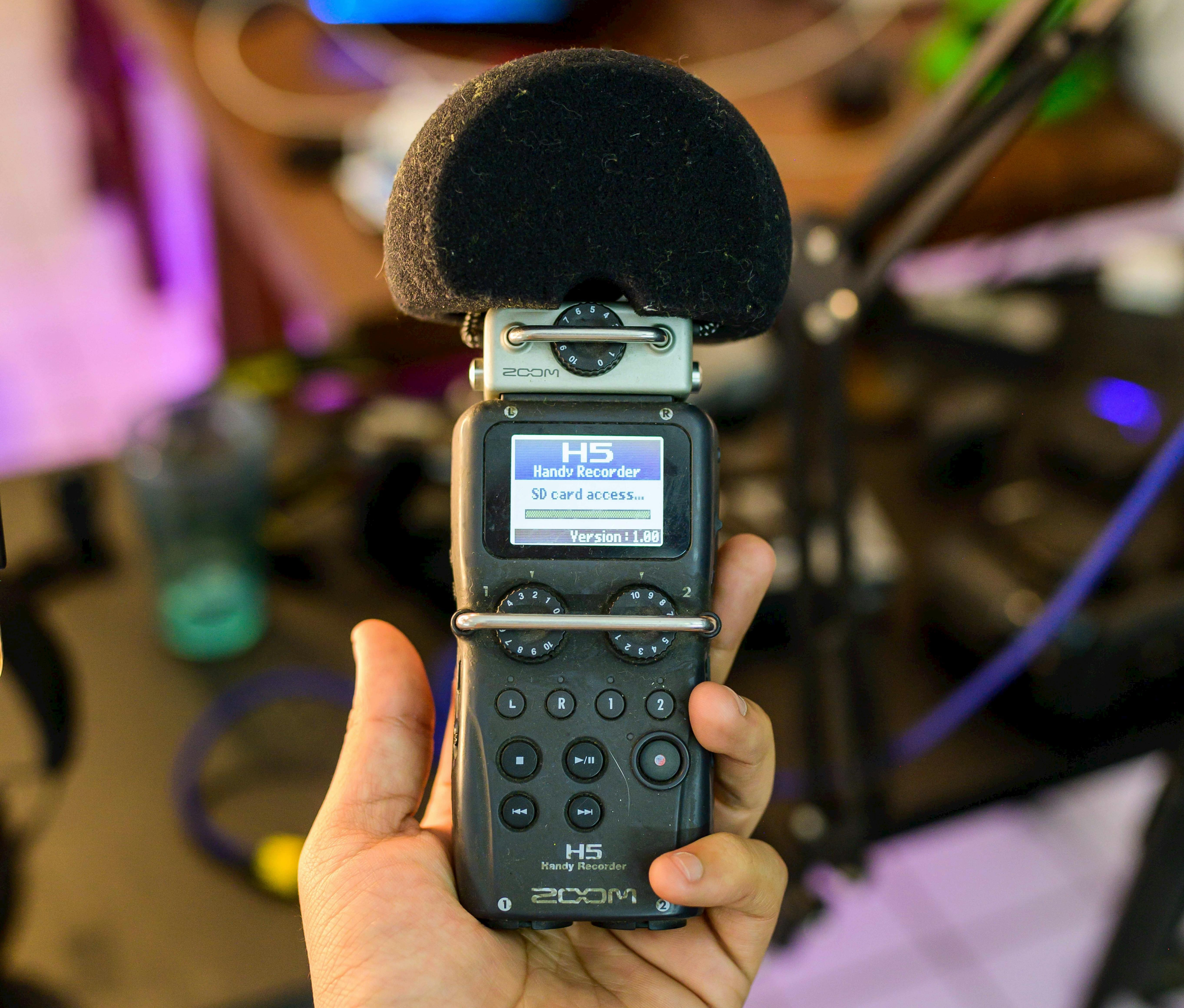
Voice Data Subject Access Requests (DSAR)
Under GDPR, users can request access to their personal data — including voice recordings.
This creates a challenge:
→ Providing access without exposing sensitive biometric identity
By removing identifiable voice characteristics at the source, organisations can:
- Fulfil DSAR obligations
- Reduce legal risk
- Avoid sharing raw biometric data
Create secondary evidence: Anonymised recordings suitable for sharing with legal teams, regulators, and third parties - without exposing the original voiceprint or compromising the primary evidence chain.
Large-Scale Voice Analysis & Insights
Organisations process thousands of voice samples daily:
→ customer calls
→ surveys
→ field data
But most pipelines still rely on raw, identifiable audio.
For analysis, identity is not required.
By separating identity from signal, teams can:
- Extract sentiment, intent, and behavioural insights
- Maintain data utility
- Reduce compliance and storage risk


Anonymous Interviews & Sensitive Data Collection
In journalism, NGOs, and research, voice data often comes from:
→ vulnerable populations
→ whistleblowers
→ sensitive contexts
Even anonymized transcripts can be reverse-linked via voice.
Ensuring anonymity at the audio level enables:
- Safer data collection
- Stronger source protection
- Increased participation and trust

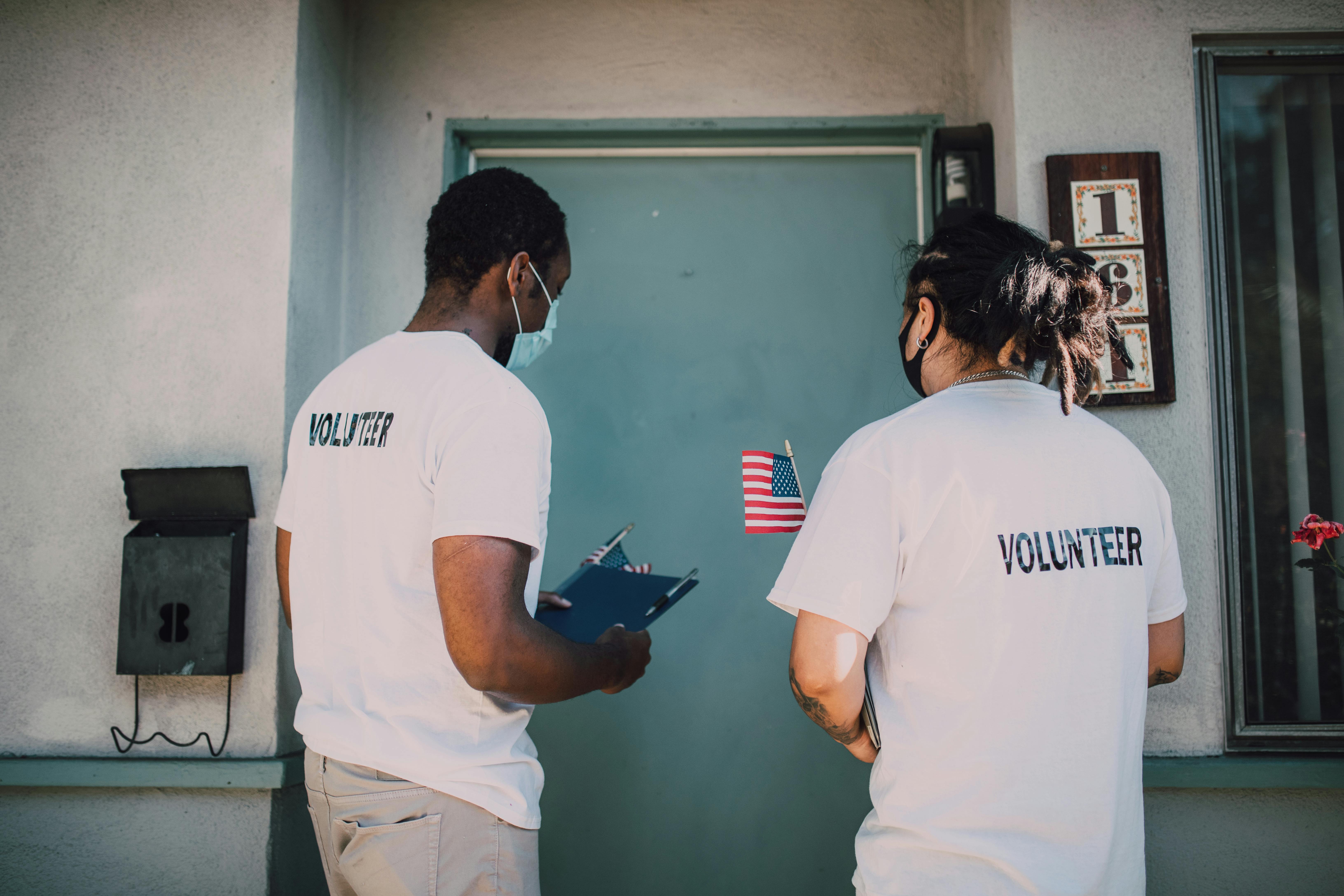
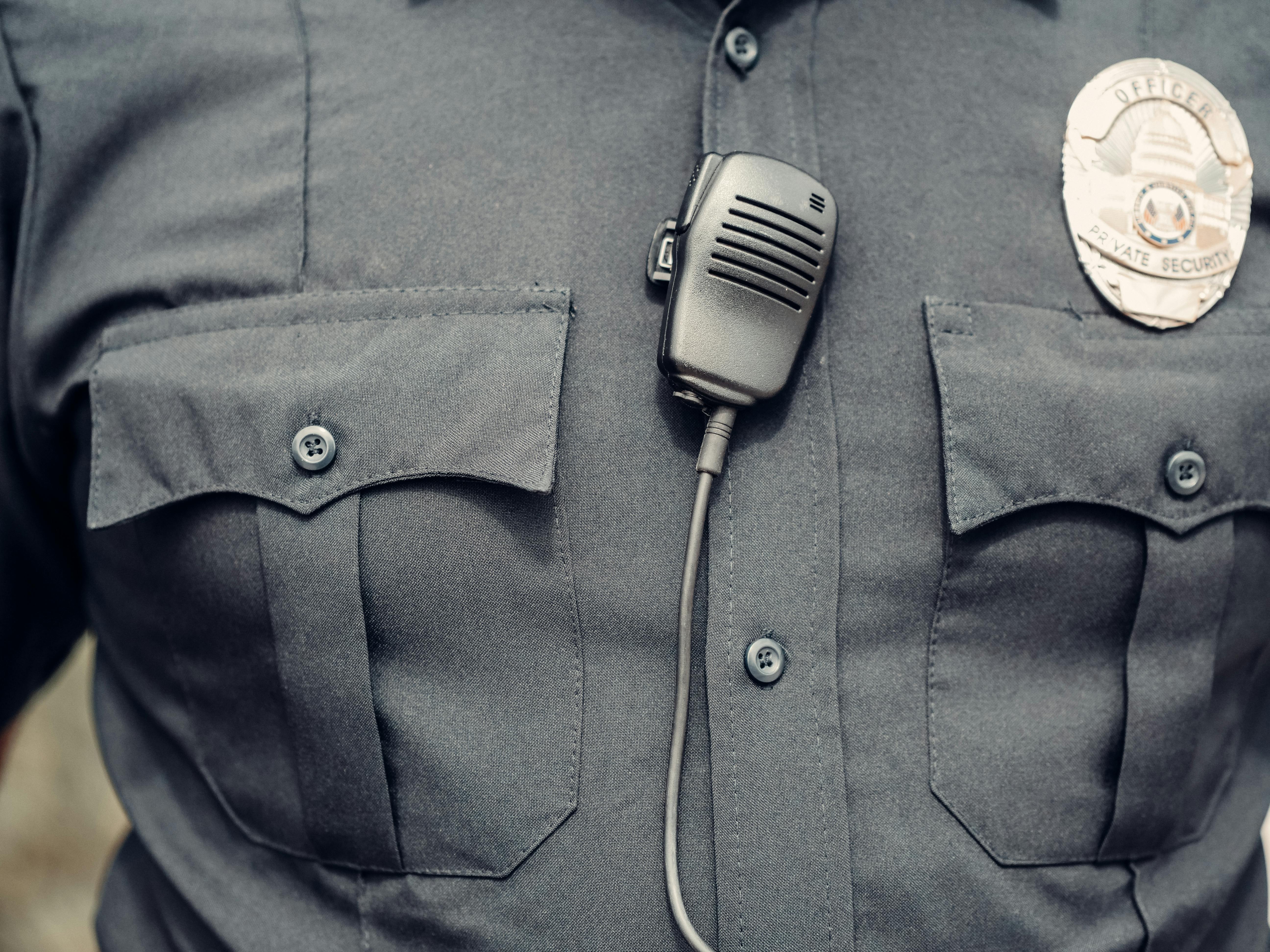

Legal & identity exposure risk shuts down sensitive stories
GDPR, CNIL, and AI compliance laws make voice data too risky to store, share, or publish.
Editorial and legal teams often kill segments due to identity or exposure risks — even when the story is vital.
Old methods distort the message.
Pitch-shifting and beeping sound unnatural, damage your story, and are easily reversible.
This severely degrades the quality of your audio and video, and interrupts the smooth audience experience.
Manual redaction wastes hours and still fails legal tests.
One leak = destroyed reputation.
Re-identifying a source via voice can end careers, spark lawsuits, or destroy brand credibility.
Journalists, editors, and creators need a better, faster, safer way.

Identity anonymization & protection
Remove biometric voice identity irreversibly
Replace with high-quality pseudovoice
Preserve tone, pacing, emotion — delete traceability
Protect your team, your subject, and your story
Unlock voice content without risk
Archive interviews and testimonies long-term
Anonymize once, reuse across formats
Enable collaboration & increase the “yes-rate” from sources without identity exposure
Make your voice content searchable, editable, and publishable — without fear
Assured broadcast-grade compliance
GDPR & legally-vaidated compliance built-in
Aligns with publisher, newsroom, and legal standards
Role-based access, logging, and speaker control
Make legal teams happy. Let your editorial team move faster
Why choose Nijta for media?
Seamless integration
API, web app, or plugin — fits directly into your production tools (Premiere, Audition, Protools etc.)
Legal-grade AI
Built with and validated by privacy lawyers, regulatory experts, and editors.
Custom anonymization
Choose tone, gender, accent — protect your source without losing authenticity.
Multilingual support
English, French, and regional accent variants for global journalism.
Seamless
SDK integration
Legal guarantees & proven expertise
Customisable
anonymisation
Multilingual
Unlock Voice Insights.
Protect Identity.
Anonymise your first voice recording in minutes.